
News
Recent news about The Garden Conservancy, our programs, and our preservation and education partners around the country.

Water Garden, Ganna Walska Lotusland, CA | Credit: Kim Baile
Ganna Walska Lotusland Named Recipient of the Jean and John Greene Prize for Excellence in American Gardening
The Garden Conservancy is thrilled to announce that Ganna Walska Lotusland is the recipient of the esteemed Jean and John Greene Prize for Excellence in the Field of American Gardening. The prize, which comes with a generous $30,000 grant will help support the ongoing efforts to safeguard this remarkable garden for future generations as part of the Garden’s 30th Anniversary Lotusland Forever Capital and Endowment Campaign.
The prize has been made possible by a transformational estate gift of nearly $3 million to the Garden Conservancy from John Kaul Greene, who passed away in September 2019, after expressing his intention to create an award to recognize excellence in American gardening. John is survived by his wife, Jean, who shared with him an appreciation for the ways gardens enrich our lives, an appreciation that deepened during the four years the couple lived in Europe. John joined the Garden Conservancy’s board of directors in 1998, and he served on the board of trustees of the Chicago Botanic Garden for more than half a century.

Main lawn and Blue Garden, Ganna Walska Lotusland, CA | Credit: Kim Baile
Recognizing the importance of this whimsical and dramatic oasis back in 1991, the Garden Conservancy chose Lotusland, in Santa Barbara, CA, as its second preservation project. Now, three decades later, Lotusland is one of the most important and celebrated public gardens in the United States.
In recognition of both the aesthetic and scientific value of the collection as an irreplaceable national resource, the Conservancy played an important role in the preservation of the Garden and its opening to the public in 1994. Today, Lotusland stands as a testament to the Conservancy's mission and what it means to preserve a garden—unceasing action and ongoing commitment.
Lotusland holds immense significance as an artistic expression, a place of wonder, a haven of biodiversity, a laboratory of sustainability, and an incomparable archive of plants and seeds, some of which grow nowhere else. Ganna Walska's legacy, deeply rooted in Lotusland, continues to inspire and captivate visitors. With ample space slotted for growth and evolution, Lotusland remains a beacon of beauty and botanical preservation.
The Lotusland Forever Campaign aims to preserve and revive the estate’s historic buildings, conserve non-living collections, improve natural resource management, revitalize the decades-old nursery, enhance access for visitors, and establish endowments for each of the diverse gardens. "This gift will enable us to enhance our stewardship of this extraordinary garden, ensuring its longevity and allowing us to share its magic with visitors,” said Rebecca Anderson, Executive Director of Ganna Walska Lotusland.
“This campaign exemplifies the Garden Conservancy’s mission to protect and preserve exceptional gardens of cultural and historical significance. By investing in this visionary initiative, the Conservancy is helping to safeguard the legacy of Lotusland for future generations, ensuring that its uncommon beauty and botanical treasures continue to inspire and delight a broad audience of visitors from around the word,” said James Brayton Hall, President and CEO of the Garden Conservancy.
In 2022, the Garden Conservancy awarded the Greene Prize to Wethersfield Estate & Gardens in Amenia, NY to enable them to complete a cultural landscape report.
To learn more about Ganna Walska Lotusland, visit lotusland.org.

Arboretum Land
Preserving Pacific Northwest Gardens: Strategies for Sustainable Organizational Leadership
Lake Wilderness Arboretum in Maple Valley, Washington is home to one of the world’s largest collections of the Western Azalea (Rhododendron occidentale). It contains 180 species of woody shrubs and trees, and it is filled with abundant native plantings and numerous display gardens, some of which contain collections rescued or donated from private gardens in the region. Adjacent to a second-growth forest and vast recreational area, the Arboretum is free and open to the public.
In this quintessential Northwest ecosystem, the Garden Conservancy Northwest Network convened for our fall workshop, bringing together board members, garden leaders, and staff from gardens in the region to approach preservation from a distinctive point of view. Recognizing change as constant, we delved into strategies preserving organizational strength during leadership transitions. Specifically, we focused on optimizing critical relationships between board and staff to achieve a garden’s mission and fulfill their “why” while approaching leadership succession and transition planning through a framework of organizational sustainability. Education is an essential tool for preservation. This topic is critical to help public gardens preserve their legacies as important cultural and community institutions, manage and care for unique plant collections, and transfer key knowledge to steward the space into the future.

Arboretum Tour
Arboretum Director and Manager Susan Goodell led us on a tour through towering Metasequoia glyptostroboides (Dawn redwood), Sequoia sempervirens (Coast redwood), Sequoiadendron giganteum (Giant redwood) and their extensive collection of maple varieties We started outside of the Lake Wilderness Lodge where the workshop was held. The Seattle architectural firm Young & Richardson designed this mid-century building in the early 1950s to be a resort. The building was conceptualized by the Graffney Brothers, known for operating vacation resorts in the Maple Valley area since the 1920s. They built the structure to integrate it into the landscape, highlighting lake views and Mount Rainier on a clear day. The building is designated as a King County landmark as an example of post-war architecture in the Northwest. At the entrance of the Lodge’s interior, a totem pole extends to the ceiling, providing structural support for the building.

Arboretum Tour
Despite the vast amenities, the resort’s business struggled, and the property became part of Seattle’s Kings County Park System in the mid-1960s. This is when the idea to create an arboretum was formed by a group of residents who organized and incorporated a non-profit to do just that. From the 1970s to the early 2000’s, the Arboretum was run exclusively by volunteers. Guided by a desire to provide year-long interest and engagement, the Arboretum now features numerous garden areas with firs and cultivars, cedars, and azaleas; a pond, children’s and legacy gardens and a tribal life trail that illustrates how native plants have been used by the indigenous for centuries.
The Arboretum encompasses 42 acres and is managed by a joint use agreement between the City of Maple Valley and the Lake Wilderness Arboretum Foundation to preserve and utilize the space as a critical regional resource for the public.
Our work in the Pacific Northwest helps garden leaders navigate challenges and maximize opportunities while preserving the legacy of their gardens as important cultural landscapes. In 2022, the Lake Wilderness Arboretum received the Garden Conservancy’s Garden Futures grant which supported the replacement of the arboretum’s 40-zone irrigation system.
We will reconvene this winter for more virtual events and will gather in the spring for an in-person workshop and garden tour. The Garden Conservancy Northwest Network is a collective of garden leaders in the Pacific Northwest committed to preserving their gardens as cultural and heritage resources within their communities.

Edankraal, the garden cottage of Harlem Renaissance poet Anne Spencer, at her home in Lynchburg, VA.
The Garden Conservancy Releases Trailer for Upcoming Anne Spencer House & Garden Documentary
The Garden Conservancy has announced the release of a new film trailer that highlights its forthcoming documentary film about the Anne Spencer House & Garden in Lynchburg, VA. The trailer can be found on the Garden Conservancy website. The completed documentary will be released later this year.
The upcoming documentary chronicles the site as it evolves from a home and gathering place to a nationally significant cultural landscape that is listed on the National Register of Historic Places and the Virginia Landmarks Register. Spencer was a Harlem Renaissance poet, teacher, librarian, and civil rights advocate that helped establish the Lynchburg chapter of the NAACP. Her home and garden were a gathering place for luminaries like Langston Hughes, George Washington Carver, Thurgood Marshall, and Dr. Martin Luther King Jr. The garden still has a sculpture gifted to Spencer by W.E.B. DuBois that sits on the edge of the pond.
“Anne Spencer’s garden was a place of peace and sanctuary, where she was creative and fostered community. It was a retreat from the pain of segregation in the Jim Crow South,” said Pamela Governale, Director of Preservation at the Garden Conservancy. “It is rare for a historic house and garden to survive. It is especially rare for the house and garden of an African American to survive. This cultural landscape provides a meaningful opportunity to learn about the history of America at an important and pivotal time. With this documentary, we aspire to honor and further preserve the remarkable legacy of Anne Spencer and her home and garden.”
Spencer was known to lose herself in her writing, sometimes working into the early hours of the morning in her one-room garden cottage on the site named Edankraal built by her husband, Edward. Edankraal is a combination of their names followed by “kraal,” the Afrikaans word for enclosure or corral. Ever deep in creative thought, Spencer penned poetry on the back of seed packets and catalogs, scraps of paper, and even her husband’s business ledgers!
The Conservancy's documentation of the garden includes interviews with notable figures including Brent Leggs, Executive Director of the African American Cultural Heritage Action Fund and Senior Vice President of the National Trust for Historic Preservation; and Peggy Cornett, Curator of Plants at Thomas Jefferson’s Monticello.
The documentary is made possible by the Suzanne and Frederic Rheinstein Garden Documentation Program. Founded in 2018, the program seeks to broaden our understanding of gardens as a cultural legacy and capture the essence of something that is largely experiential — the beauty, history, and stories inherent to a garden. It does so by going beyond just preserving a garden’s physical features and forever capturing the garden at a specific moment in time. We employ a multi-pronged approach that expands the preservation narrative to include a garden’s intangible heritage and sense of place.
The Conservancy’s documentation program weaves the history and spirit of a garden together through film, photography, interviews, archives of original materials, and secondary sources to create a multidimensional portrait of a garden as a living work of art, and in many cases, a historic and cultural resource. The story of each garden is put into historical context with information about the property, significant events and changes, and the life and legacy of the garden’s creators.
This program infuses dynamism into the traditional documentation process to enhance understanding and appreciation for unique historic gardens and brings these places to audiences regardless of their location.
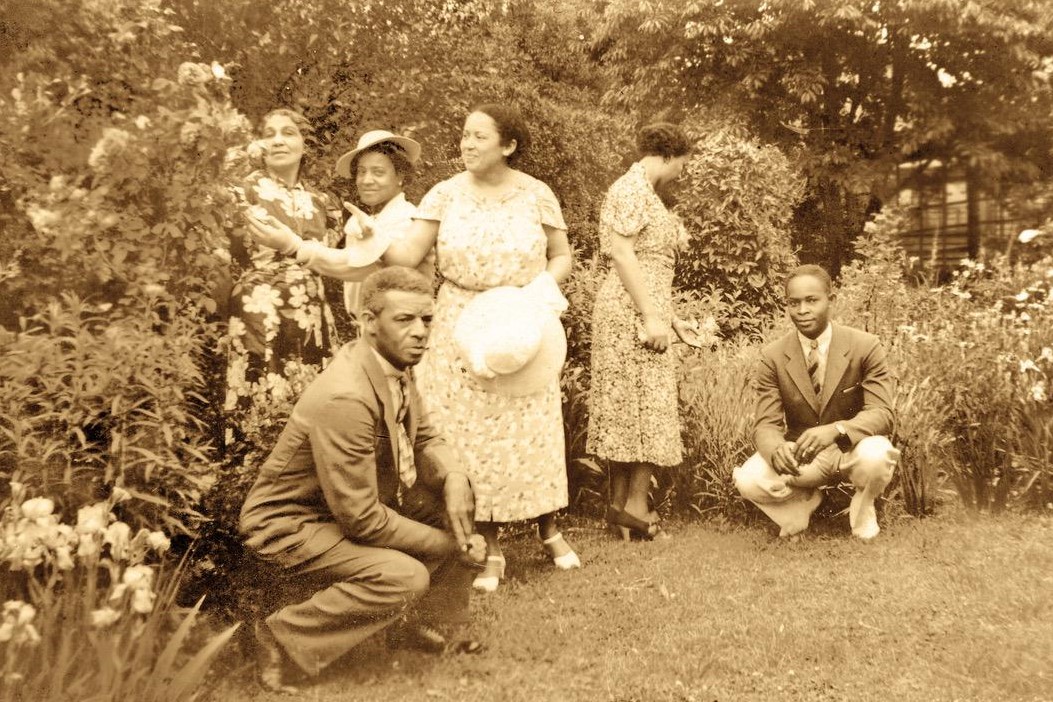
The Harlem Renaissance poet Anne Spencer, standing at far left, in her garden in Lynchburg, Va., with friends. Her husband, Edward, is kneeling, at left.
The Anne Spencer House & Garden trailer can be viewed at this link.
Garden Gab
February Garden Gab

Pom Shillingford, Salisbury, CT, shares her experience as a flower farmer and being an Open Days host. Read her profile and see images of her garden.
January Garden Gab
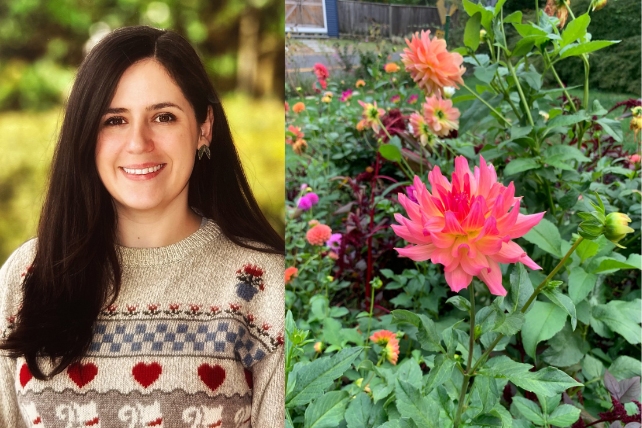
Jessica Dowling, Norwalk, CT, discusses her love of gardening and her enthusiasm for visiting Open Days. Read her profile and see images of her garden.

We are pleased to announce the recipients of the 2022 Garden Conservancy Grant Program and delighted to support their valuable work in communities across the country. Learn more.

We are pleased to award the inaugural Page Dickey Grant for American Gardens to Garden Time in Providence, RI. Garden Time provides prison-based garden education programs and prepares incarcerated individuals for the workforce by supporting successful transitions to reentry and long-term employment. Learn more.
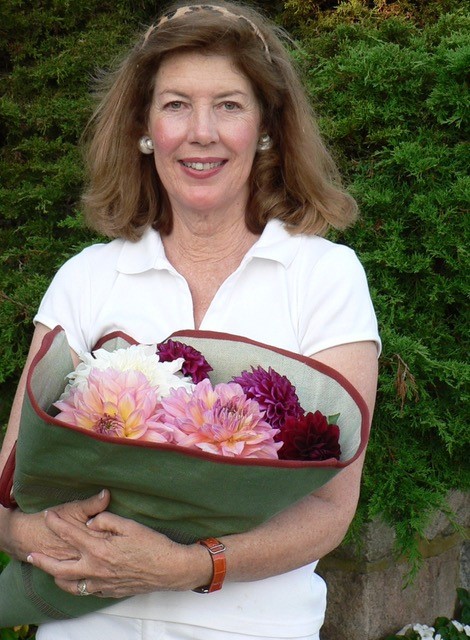
Fellow Christabel Vartanian was featured in our Fellows Focus for our May 2022 Society of Fellows e-newsletter. With gardens in New Jersey, New York, and Costa Rica, Christabel has inspiring words and photos to share with our gardening community. Read more.
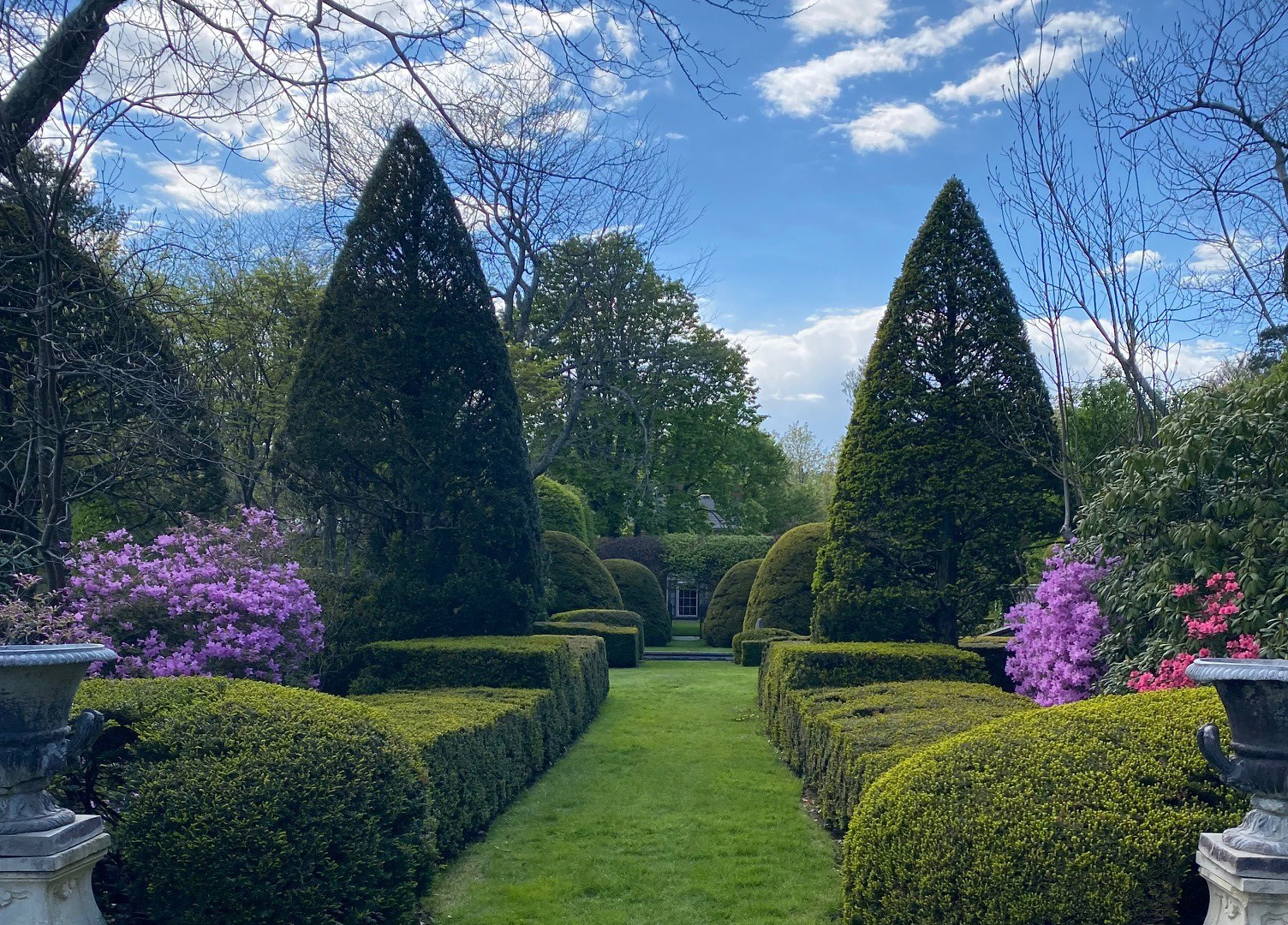
Wethersfield, an expansive landscape in Amenia, NY, created by Chauncey Devereux Stillman (1907–1989), is the inaugural recipient of the Jean and John Greene Prize for Excellence in the Field of American Gardening. Learn more about Wethersfield and the first awarding of this significant prize.

Open Days host Betty Montgomery shared her passion for gardening and what inspires her in the Fellows Focus of our February Society of Fellows e-newsletter.

Last year, the Garden Conservancy launched a new granting initiative, Gardens for Good. Through this program, we award grants to small public gardens and other nonprofit organizations within the United States making a significant impact in their communities through garden-based programming, with a focus on diverse populations. In 2021, we awarded eleven grants and plan to expand the program further this year. The deadline for submissions is April 15, 2022. Applications will be reviewed by an advisory committee and grants will be awarded in May. Learn more.

The Anne Spencer House & Garden Museum (above), in Lynchburg, VA, and the Ruth Bancroft Garden, in Walnut Creek, CA, were among Veranda magazine's "30 Most Beautiful Gardens in the World."

MARABAR, a significant work of art by renowned artist Elyn Zimmerman that was commissioned by National Geographic in 1984 for the entry plaza at its Washington, DC, headquarters, has found a new home at American University, after having been under threat of being demolished. Read more.

We recently rekindled our relationship with Fort Ticonderoga, in Ticonderoga, NY, and we are thrilled to be collaborating with them for 2022 educational programming! Read “Long Live the King(‘s) Garden! Perseverance and Preservation at Fort Ticonderoga,” the cover story of our December printed newsletter.

The Fellows Focus in our December Society of Fellows e-newsletter introduced us to Fellow Ellen Bowman and her gardens in Rhode Island and Texas. Read the excerpt.
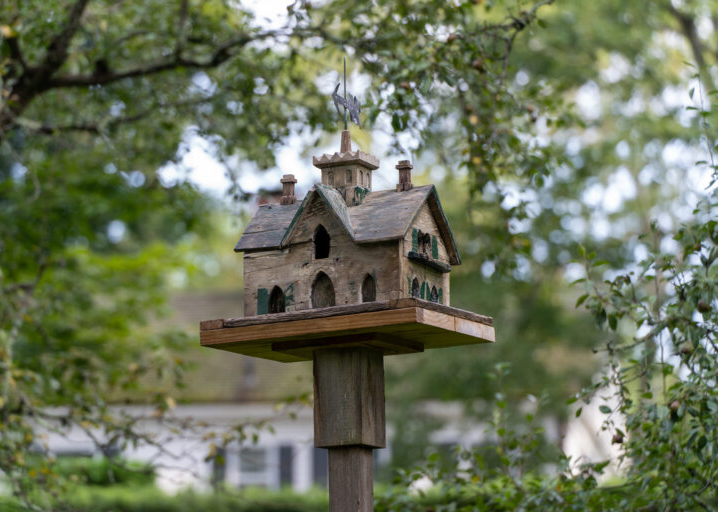
“Building the Birdhouse Village,” a recent post on design doyenne Bunny Williams’s blog, gave readers an up-close look at Bunny’s latest sanctuary.
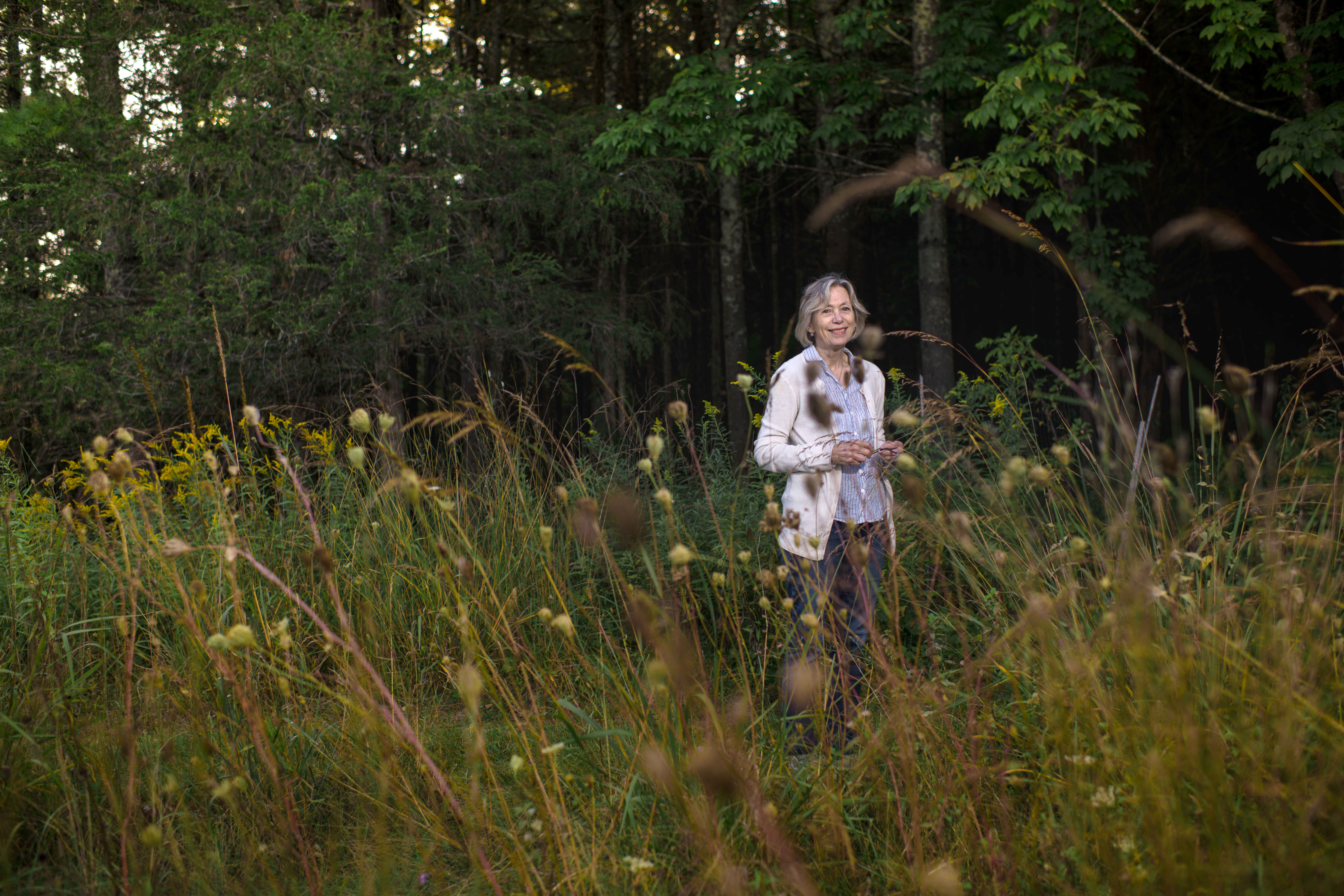
We are thrilled to announce the new Page Dickey Grant for American Gardens, in honor of Page's lasting contributions to the Garden Conservancy and garden enthusiasts nationwide, as Page steps down from our board of directors. Read more.

The Ruth Bancroft Garden, in Walnut Creek, CA, is gearing up for their third annual Garden of d'Lights, which provides the opportunity to experience the garden's cacti and succulent collection in a whole new way. The installation runs through January 2022. Learn more and purchase tickets now. (photo: Earl Ruby)

We recently sat down with Fellow and Garden Conservancy Board member Fred Landman, who has transformed his Greenwich, CT, property from a quaint suburban backyard into Sleepy Cat Farm, a multi-faceted garden experience. Read the Fellows Focus excerpt from the September 22 issue of our Society of Fellows e-newsletter.

On November 13, the John Fairey Garden, in Hempstead, TX, will officially unveil "Footbridge for John" and a mind-boggling mosaic. Read more about these stunning new works of art and how they honor Fairey's legacy in an excerpt from the September issue of Garden Conservancy News.
.jpgnews.jpg)
On August 7, 2021, the 20th Annual Summer Gala and grand opening of the restored National Historic Landmark Pavilion at Fort Ticonderoga, in Ticonderoga, NY, was held. Read more.
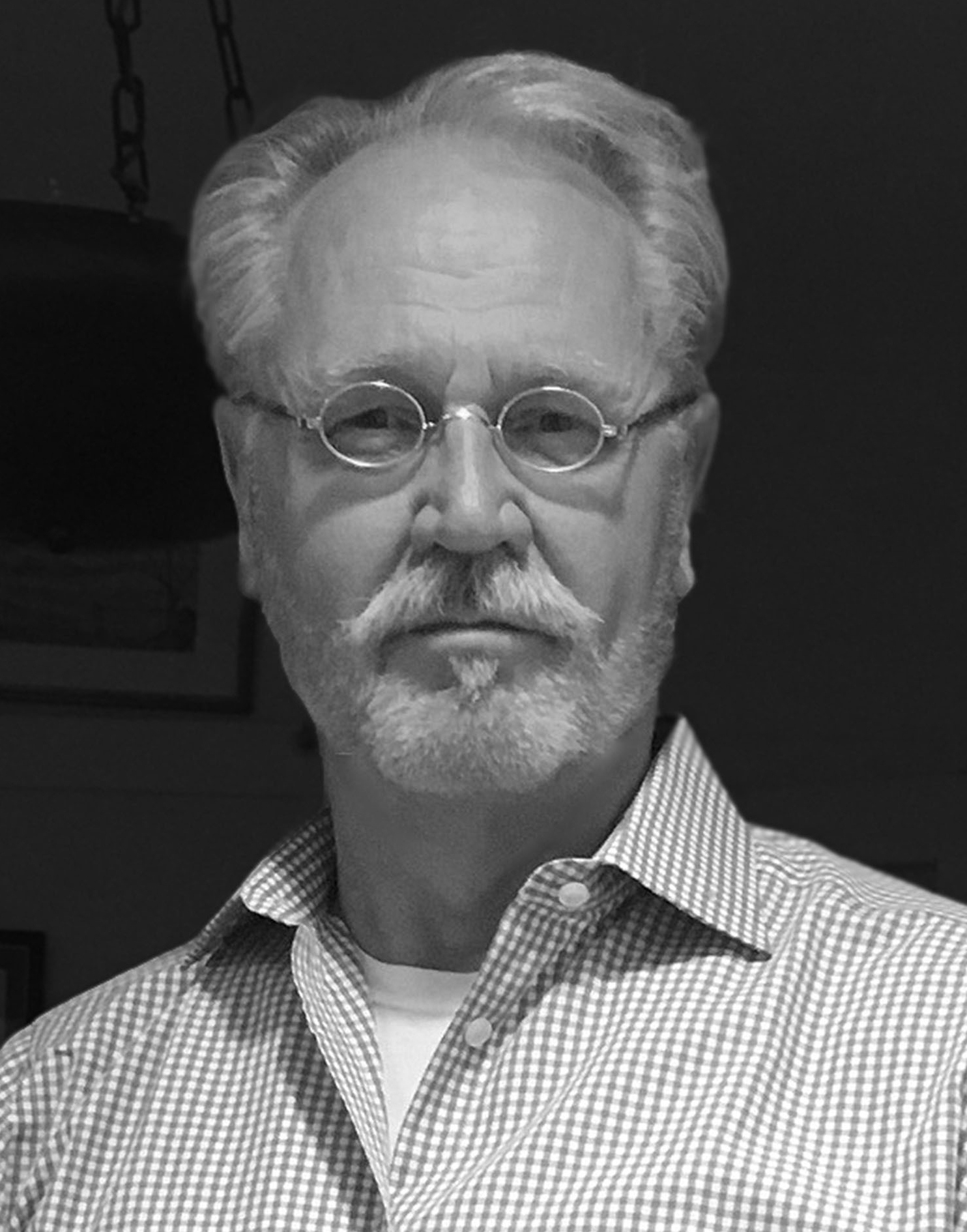
Have you seen the beautiful illustrations by garden designer, artist, and Garden Conservancy board member Dana Westring, which grace the pages of our new #GardenPreservation book? Get to know Dana in this Fellows Focus excerpt from our July Society of Fellows e-newsletter!

In-person programs, including Open Days, Digging Deeper, and the Garden Masters Series, have resumed! Please pre-register online via our online calendar of upcoming events and join us in the garden and at our in-person events around the country! Photo: "Designing for the Future with Cues from the Past" Digging Deeper program with Leslie Needham, Saturday, June 12, 2021

Artist Marian McEvoy was the subject of the Fellows Focus interview in our May Society of Fellows e-newsletter. Read about Marian now.
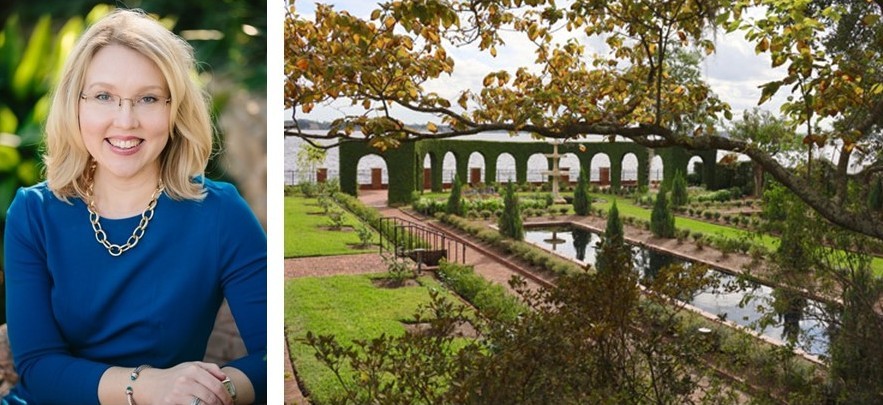
We are thrilled to bring back In My Garden: A Visual Diary, our email series for members. This season, we will be following eight intrepid garden enthusiasts, including Holly Keris (above), who serves as the J. Wayne and Delores Barr Weaver Chief Curator at the Cummer Museum of Art & Gardens, in Jacksonville, FL. Read more.

Acclaimed storyteller Beatrice Bowles plants the seeds of nature appreciation in young children through books, audiobooks, and performances. We recently spoke with her about what inspires her art and her gardening. Learn more in the Fellows Focus article from our April Society of Fellows e-newsletter.

Many of our partner gardens across the country will be opening their gates to the public for the 2021 season in the coming weeks, including Hollister House Garden, in Washington, CT (above), which opens on April 23. Read more.
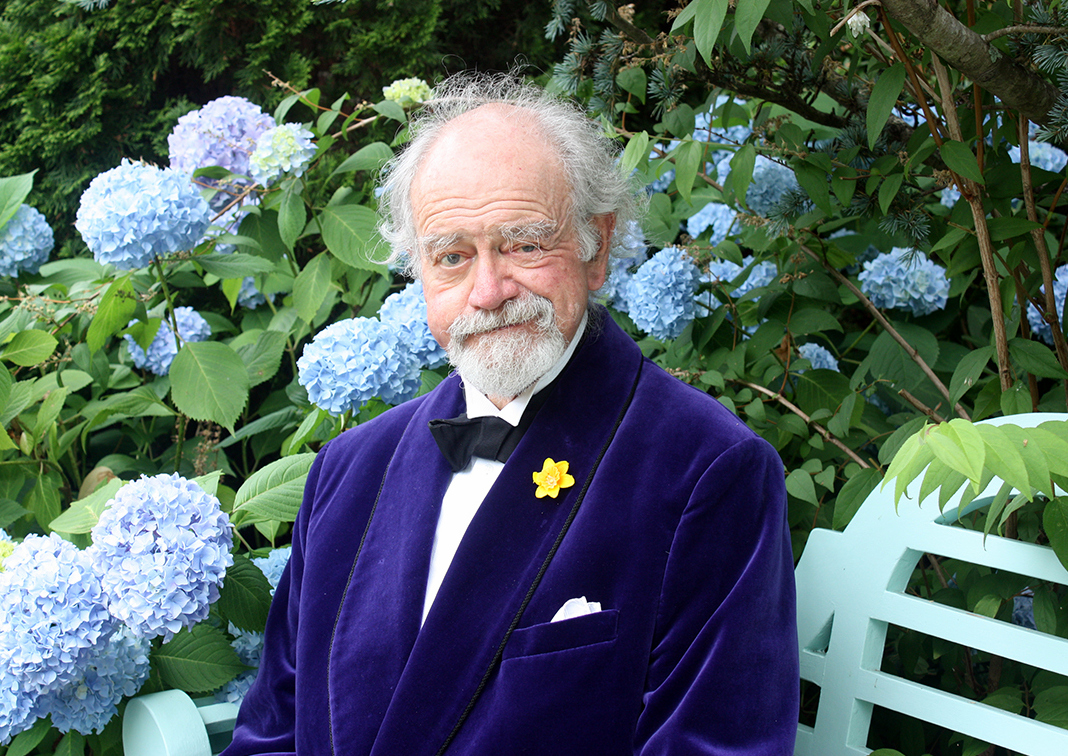
We recently caught up with Ron Fleming, who was the subject of our Fellows Focus in the February issue of our Society of Fellows e-newsletter. Read now.
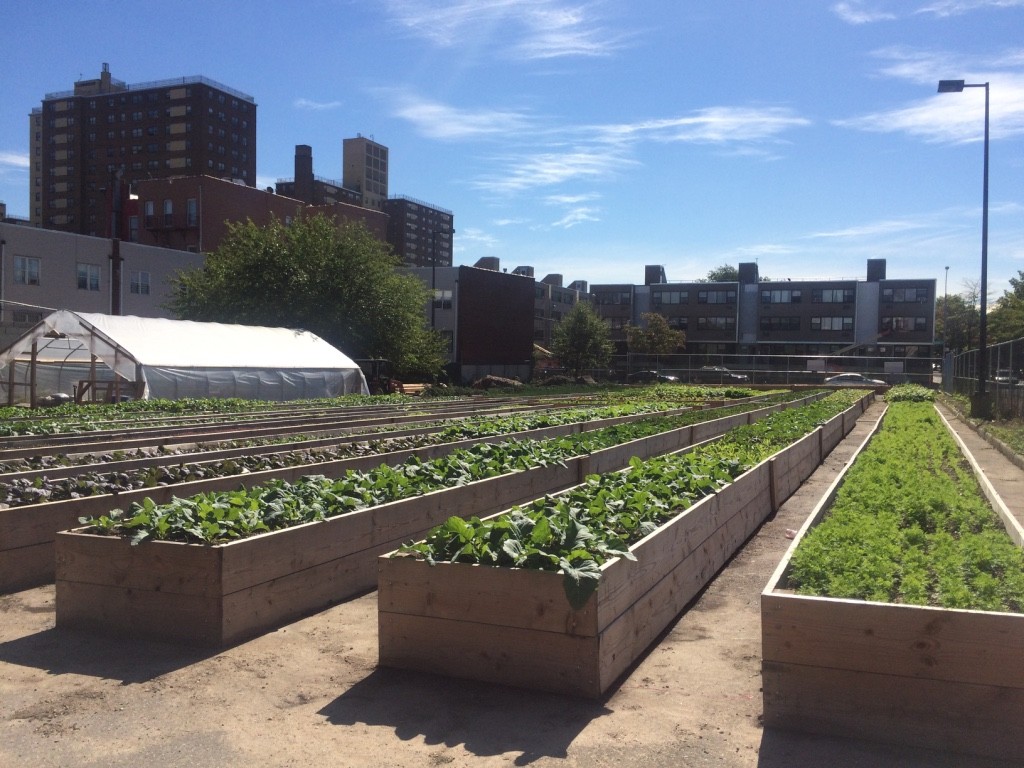
We are thrilled to announce our Gardens for Good grant initiative, which allows us to assist small public and community gardens or organizations that are making a significant impact in their communities through garden-based programming. Learn more.
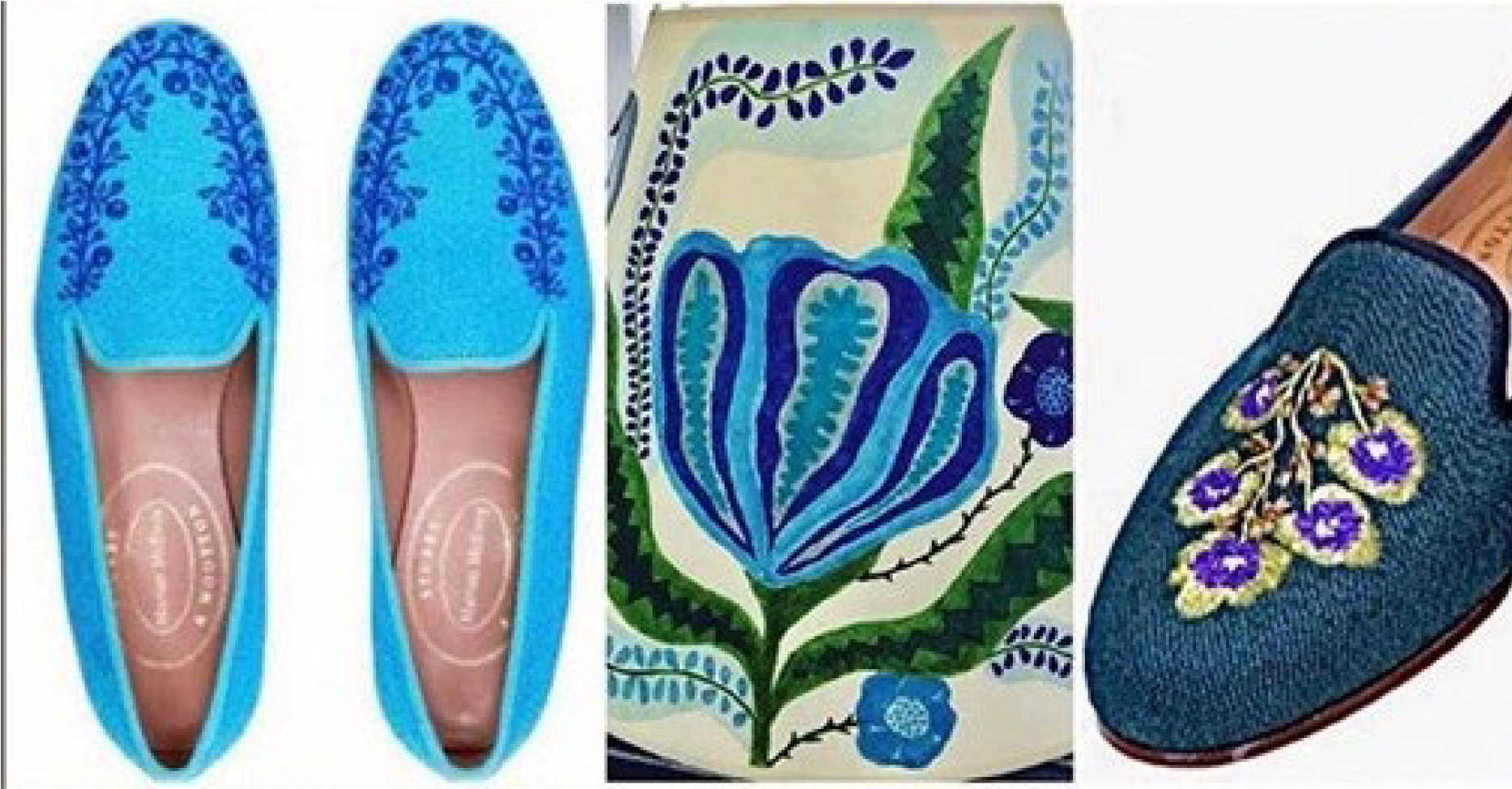
A drawing of a garden entrance designed by Marian McEvoy for our #OpenDays25 book, which the Garden Conservancy published last June in celebration of the silver anniversary of our Open Days program, has a new life. Marian’s design (above) is part of a line of linen slippers with botanical images by Marian. The slippers, embroidered in blue on blue, were designed for KRB in New York City, by Stubbs and Wootton.
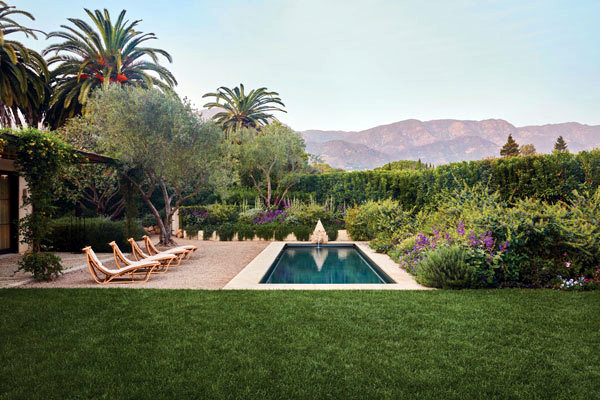
The tranquil Montecito escape of Suzanne Rheinstein, a Garden Conservancy board member since 2004, was featured in Architectural Digest (February 17, 2021). Suzanne's breathtaking garden was designed by Garden Conservancy Society of Fellows member Nancy Goslee Power. Read more.
Garden Gab

PUBLISHED JUNE 2022
The Garden Conservancy
Publications
Become a member and you'll get a subscription to all of our printed and electronic publications.
A few personal perspectives
Distinguished Garden Properties for Sale
Become the owner of a distinguished garden property